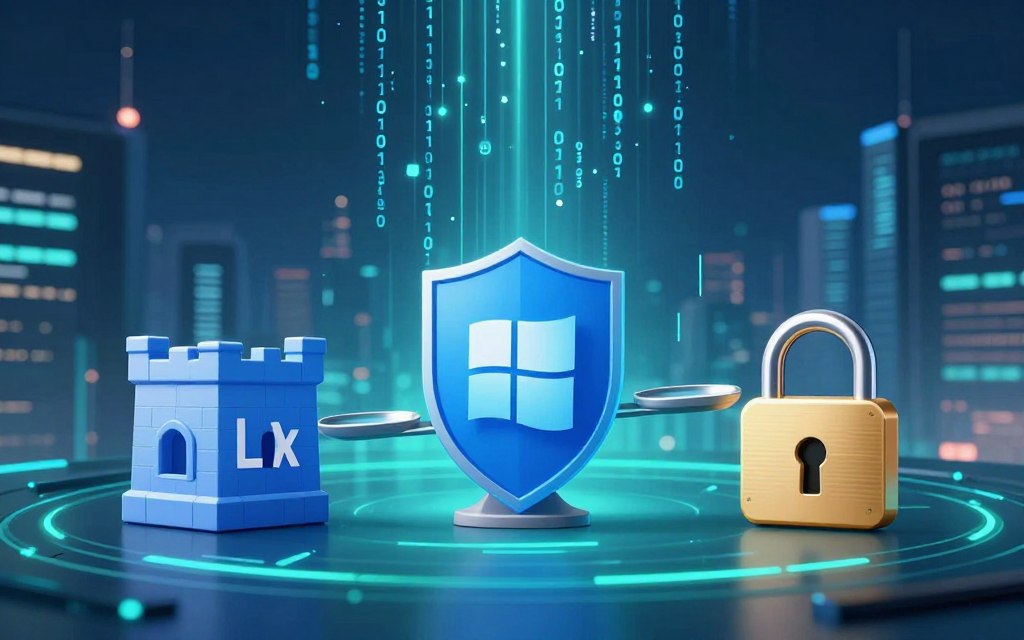

Many users ask, “what is the most secure computer operating system?” The answer depends on threat models, use cases, and user behavior, so no system suits everyone. This secure operating system comparison covers Linux, macOS, Windows, Chrome OS, iOS, Android, Tails, Qubes OS, and Whonix.
Modern security uses a layered approach. Features such as sandboxing, encryption, and access controls help protect data. Secure boot processes and consistent patch management also help defend systems against threats.
We should judge these systems by their actual security capabilities, not marketing claims. Understanding these features helps users protect their data and privacy effectively.
Key Takeaways
- Security varies by user needs and behavior.
- Modern OS relies on layered security features.
- Evaluation should focus on actual capabilities.
- Specialized systems offer unique security benefits.
- Regular updates are essential for maintaining security.
Understanding Operating System Security Fundamentals
Operating system security uses strategies and technologies to protect computer systems. These operating system security fundamentals reduce vulnerabilities and improve user safety. They include:
- Least Privilege: Users are granted only the permissions necessary to perform their tasks.
- Defense in Depth: Multiple layers of security controls are employed to protect sensitive data.
- Secure Boot: Ensures that the system boots using only software that is trusted by the manufacturer.
- Memory Protection: Prevents unauthorized access to memory space allocated to applications.
- User Account Control: Prompts users for permission before allowing changes that require administrative access.
- Timely Updates: Regular updates and patches are essential to protect against new vulnerabilities.
Kernel isolation and mandatory access controls further reduce the attack surface. Limiting process interactions lowers the risk of a successful attack.
What Makes an Operating System Secure
A secure operating system depends on its architecture and installation defaults. Together, these features provide strong protection against threats. Systems that value user privacy and data protection often include built-in encryption, which improves security.
Common Security Threats Facing Modern Operating Systems
Modern operating systems still face many threats despite strong security measures. Common OS threats include:
- Malware: Malicious software designed to harm or exploit any programmable device.
- Ransomware: A type of malware that locks users out of their systems until a ransom is paid.
- Phishing: Attempts to acquire sensitive information by masquerading as a trustworthy entity.
- Zero-Day Exploits: Attacks that occur on the same day a vulnerability is discovered.
- Privilege Escalation: Exploiting a bug to gain elevated access to resources that are normally protected.
- Supply Chain Attacks: Targeting vulnerabilities in third-party software to compromise systems.
Real-world examples, including the WannaCry ransomware attack and Spectre/Meltdown vulnerabilities, show why vigilant security practices matter. Security is a complete approach, not one feature. It includes architecture, default settings, and update frequency.
What Is the Most Secure Computer Operating System? Top Contenders Compared
Choosing the most secure computer operating system (OS) means reviewing several factors. Each system has different strengths, so compare its OS security features before making a choice. This guide explains secure OS evaluation criteria and reviews leading options available today.
Criteria for Evaluating Operating System Security
Several key tests help assess an operating system’s security and match it to a user’s needs:
- Attack Surface Size: A smaller attack surface reduces the number of potential vulnerabilities.
- Default Security Settings: Strong default settings can protect users right out of the box.
- Frequency and Reliability of Updates: Regular updates ensure that security flaws are addressed promptly.
- Vulnerability Response Time: Quick responses to discovered vulnerabilities are crucial for maintaining security.
- Code Auditability: Open-source systems allow for independent audits, enhancing trust.
- User Privilege Model: A robust model restricts access to sensitive areas of the OS.
- Encryption Support: Strong encryption protects data from unauthorized access.
- Sandboxing Capabilities: Sandboxing limits the impact of potentially harmful applications.
Overview of the Most Secure Operating Systems Available Today
Using these secure OS evaluation criteria, we can compare leading operating systems available today:
| Operating System | Key Security Features | Strengths |
|---|---|---|
| Hardened Linux Distributions | Open-source, customizable security settings | Transparency and community support |
| macOS | Integrated hardware and software security | Seamless user experience with strong security |
| Windows | Layered enterprise defenses | Widespread compatibility and support |
| Chrome OS | Minimized local attack surface | Designed for cloud-based security |
| iOS | Strong app sandboxing and encryption | Robust privacy features |
| Android | Regular security updates and app permissions | Wide range of devices and customization |
| Qubes OS | Security through compartmentalization | High level of isolation for tasks |
| Tails | Privacy-focused, runs from USB | Ideal for anonymity |
| Whonix | Designed for anonymity | Protects against traffic analysis |
Every operating system has strengths and weaknesses. Your best choice depends on your needs and how you plan to use it. Compare OS security features carefully to make an informed decision.
Linux: Open-Source Security and Customization
Linux offers strong security and customization for users who need control. Its open-source nature lets developers and users inspect code, find flaws, and apply patches quickly. This creates a strong Linux security architecture that keeps improving.
Security Architecture of Linux Distributions
Understanding Linux security architecture helps users who prioritize safety. Two main parts shape it: the user permission model and kernel security features.
User Permission Model
Linux’s user permission model protects system resources. It separates users into root (administrator) and standard users. This separation protects system integrity. The sudo command lets standard users run commands with temporary elevated privileges, reducing accidental changes to critical files.
Kernel Security Features
Linux kernels include several features that strengthen system protection. Key features include:
- Address Space Layout Randomization (ASLR): This technique randomizes memory addresses, making it harder for attackers to predict where to find critical system components.
- Kernel Address Space Layout Randomization (KASLR): Similar to ASLR, but specifically for the kernel, further complicating exploitation attempts.
- Seccomp: A security feature that restricts the system calls a process can make, limiting its potential damage.
- Namespaces: This feature isolates processes, enhancing security by preventing them from interfering with each other.
- Mandatory Access Control (MAC): Frameworks like SELinux and AppArmor enforce strict access controls, adding another layer of security.
Key Security Features in Popular Linux Distributions
Different Linux distributions offer features tailored to their users. Ubuntu security features and Fedora security features show two notable approaches.
Ubuntu Security Features
Ubuntu security features help protect users:
- AppArmor profiles: These profiles restrict program capabilities, limiting the damage from potential exploits.
- Unattended upgrades: This feature automatically installs security updates, ensuring users are protected against vulnerabilities.
- Canonical Livepatch: This service allows kernel patches to be applied without rebooting, minimizing downtime.
- UEFI Secure Boot support: This feature helps prevent unauthorized operating systems from loading during the boot process.
Fedora Security Features
Fedora security features use advanced security technologies:
- SELinux in enforcing mode by default: This configuration provides robust security by enforcing access controls.
- Firewalld: A dynamic firewall management tool that simplifies the process of managing firewall rules.
- Early adoption of security technologies: Fedora is often at the forefront of implementing new security features.
- Immutable Fedora Silverblue variant: This version provides a read-only operating system image, enhancing security and stability.
macOS: Apple’s Integrated Security Approach
macOS combines several protective tools to provide smooth, effective security for users. Apple’s operating system uses a strong security design that supports both ease of use and system integrity. This section explains macOS security features and how they work together to create a safer environment.
Core macOS Security Features
macOS security features protect users from many threats. One key tool is Gatekeeper, which allows only trusted software to run on your device. Gatekeeper blocks unsigned or notarized applications, which helps stop harmful software from being installed.
Alongside Gatekeeper, XProtect provides built-in malware detection and checks automatically for known threats. The Gatekeeper XProtect pairing creates two layers of defense against malicious software.
Gatekeeper and XProtect
Gatekeeper’s strict controls work with XProtect’s active protection. Together, they defend against unauthorized applications and help shield users from security risks. This combined defense helps protect macOS users from security risks.
System Integrity Protection
System Integrity Protection (SIP) is a critical feature that prevents changes to essential system files, even with root access. It helps preserve the operating system’s integrity and prevents attackers from changing critical components.
Other macOS security features include FileVault full-disk encryption, the T2 or M-series Secure Enclave, and app sandboxing. App sandboxing protects Mac App Store applications. Notarization for developer-signed software adds trust and helps users rely on downloaded applications.
macOS Vulnerabilities and Limitations
Despite its strong security, macOS is not immune to vulnerabilities. Threats such as Silver Sparrow and XCSSET show that malware can still enter the system. Zero-day exploits also create risks, so users must stay alert.
Some security settings depend heavily on user judgment, which can cause oversights. Also, macOS is closed source, limiting independent audits and making full security assessment difficult.
macOS offers strong default security, but users must remain aware of threats. It is not invulnerable, especially against targeted attacks. User awareness and proactive security practices remain crucial.
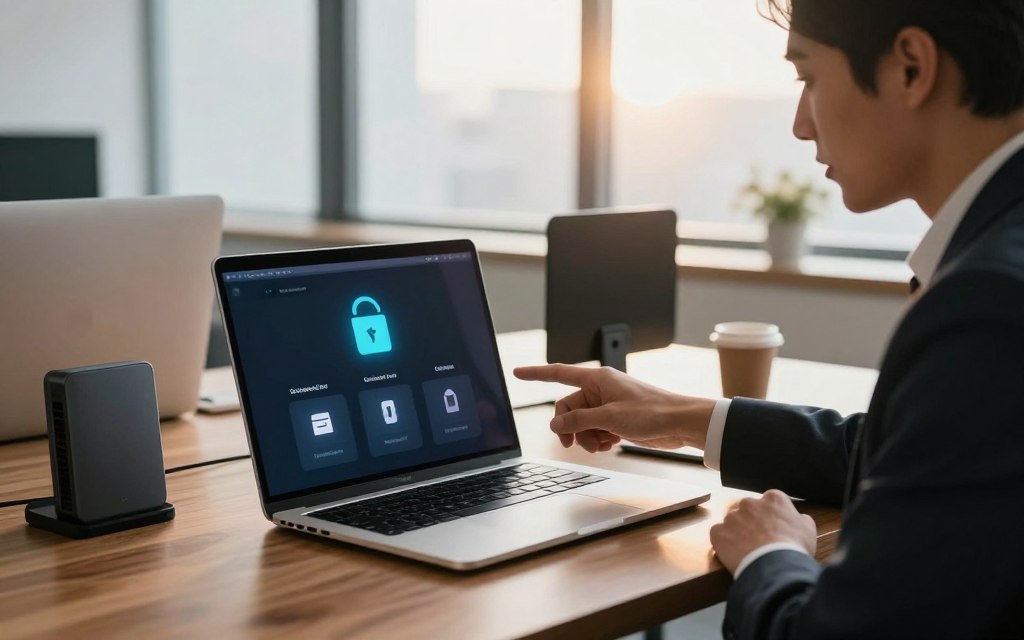
Windows: Microsoft’s Layered Security Model
Windows uses a broad security plan with several layers to protect user data. This layered model helps address the many threats modern users face. Built-in antivirus tools and advanced encryption technologies support this strong protection.
Windows Security Features
At the center of Windows security is Windows Defender, which provides real-time protection against malware and other threats. Microsoft Defender Antivirus strengthens this protection with cloud-delivered intelligence that finds and stops potential risks.
Windows Defender and Microsoft Defender Antivirus
Windows Defender works smoothly with the operating system. It protects against traditional malware and offers behavior monitoring and automatic updates. Its proactive approach helps users trust that their systems stay protected.
BitLocker Drive Encryption
BitLocker is another key part of Windows security. BitLocker encryption protects sensitive data by encrypting the entire drive. It uses TPM integration and pre-boot authentication to block unauthorized access, even with physical access to the device.
Windows Security Challenges and Protections
Windows security challenges remain significant because its large market share attracts cybercriminals. Legacy compatibility issues also create exploitable vulnerabilities. Ransomware attacks have become increasingly common.
Windows uses several measures to fight these threats. Controlled folder access and Secure Boot help prevent unauthorized changes. Windows 11 also requires TPM 2.0, adding an extra layer of protection against advanced threats.
Windows security has improved greatly over the years, but it still needs active management and regular updates. As technology evolves, protection strategies must also change to address emerging threats.
Chrome OS: Cloud-Based Security by Design
Chrome OS stands out as a unique operating system built around cloud-based OS security. This design simplifies the user experience and strengthens the overall security framework. Limited local processing reduces its attack surface and appeals to security-conscious users.
Chrome OS Security Architecture
Chrome OS security architecture relies on several key features. One notable feature is the verified boot, which checks that the operating system has not been tampered with. Each application and browser tab runs in a sandbox, which isolates them and blocks malicious software from spreading.
The root filesystem is read-only, so malware cannot change system files. User data is encrypted by default, adding protection against unauthorized access. Automatic, seamless updates give users the latest security enhancements without hassle.
Limitations of Chrome OS Security
Despite strong protections, Chrome OS has limitations. It depends on a stable internet connection and a Google account, which may concern privacy-focused users. It cannot run traditional desktop software without workarounds, limiting its versatility.
Browser-based attacks and malicious extensions remain risks because users may install harmful add-ons by mistake. Limited offline features can reduce productivity where internet access is unreliable. Chrome OS suits users seeking simplicity and low-maintenance security, but it may not fit every workflow.
Mobile Operating Systems: iOS and Android Security
iOS and Android take different approaches to mobile security and protecting user data. Both operating systems offer strong security features, but their methods differ.
iOS Security Features
iOS uses strict security measures. Its key protections include the following features:
App Store Sandboxing
App Store sandboxing, also called iOS sandboxing, gives each app its own environment. This limits access to data from other apps and reduces risks from malicious software.
Secure Enclave and Encryption
The Secure Enclave is dedicated hardware that protects biometric data and encryption keys. Secure Enclave encryption helps protect user data, even when someone compromises the device. Hardware encryption also secures data at rest.
Android Security Features
Android also prioritizes security with features that protect users effectively.
Google Play Protect
Android Google Play Protect scans apps for malware on and off the Play Store. Its continuous monitoring helps identify and remove harmful apps, improving device security.
Android Permission System
The Android permission system asks for app permissions at runtime. Users can control which data apps access, creating a safer environment. Scoped storage also limits app access to files and protects privacy.
iOS benefits from close hardware and software integration and consistent updates. Android offers greater flexibility, but fragmentation and OEM update delays can affect security. Both platforms provide strong security when configured correctly.
Specialized Security-Focused Operating Systems
For users with heightened security needs, specialized operating systems protect privacy and support anonymity. These systems are not typical desktops. They fight advanced threats and protect sensitive information. We will examine Tails OS privacy, Qubes OS compartmentalization, and Whonix anonymity.
Tails OS: Privacy and Anonymity
Tails OS is a live operating system that sends all internet traffic through Tor. This protects privacy and anonymity.
It helps journalists, activists, and anyone who must work without leaving traces on their host machine. Tails runs from a USB stick or DVD, so it works on almost any computer without installation. This makes it a flexible choice for people who need a secure environment while traveling.
Qubes OS: Security Through Compartmentalization
Qubes OS uses a unique security model based on compartmentalization. Using the Xen hypervisor, it runs applications in isolated virtual machines called qubes. If one qube is compromised, the others remain unaffected.
This design provides strong defense against malware and targeted attacks. Qubes OS suits users who value security and want to manage risks effectively.
Whonix: Anonymous Operating System
Whonix strengthens user anonymity through a two-VM setup. One VM acts as a Tor gateway, while the other serves as the user’s workstation. This Whonix anonymity design sends all internet traffic through Tor and masks the user’s IP address.
Whonix suits people who need strong privacy and want to protect their online identity.
These systems serve different purposes and help users facing advanced threats. They may not replace general-purpose systems, but they provide vital privacy and security tools in our digital world. For more information, visit this link.

Key Security Features to Look for in an Operating System
When you choose an operating system, learn about its key security features. These features can protect your data and improve your overall security posture. Consider the essential attributes below.
Encryption Capabilities and Data Protection
Encryption protects sensitive information. Choose an operating system with strong encryption capabilities. Full-disk encryption, such as Apple’s FileVault or Windows’ BitLocker, encrypts all device data.
File-level encryption adds protection for individual files. Secure enclave or Trusted Platform Module (TPM) support adds another security layer. Encrypted backups help protect data against loss.
Access Control and Authentication Mechanisms
Effective access control authentication limits unauthorized access. Systems should follow least privilege, giving users only the access their roles require. Role-based access control (RBAC) helps manage permissions efficiently.
Consider systems with mandatory access controls, such as SELinux or AppArmor. Biometric and multi-factor authentication (MFA) add verification layers and improve security.
Regular Updates and Patch Management
Consistent patch management updates help maintain security. Choose systems with automatic updates for timely security patches. Long-term support options can provide extended security updates.
Rapid vulnerability disclosure helps inform users. Transparent security advisories explain risks and how teams address them.
| Feature | Linux | macOS | Windows | Chrome OS |
|---|---|---|---|---|
| Full-Disk Encryption | LUKS | FileVault | BitLocker | Not Available |
| Access Control | SELinux | Mandatory Access Control | RBAC | Limited |
| Automatic Updates | Yes | Yes | Yes | Yes |
| Biometric Authentication | No | Yes | Yes | No |
Conclusion
Choosing the right operating system is crucial for protecting your digital privacy. Our secure OS conclusion is clear: no single system fits everyone. Your choice depends on your threat model and technical skills.
Linux suits people who want protection from Big Tech through transparency and customization. macOS provides strong integrated security, while Windows offers layered defenses for enterprise environments.
Chrome OS reduces the local attack surface, making it a strong choice for users who value simplicity. On mobile, iOS and Android offer different security features for daily workflows. Users seeking anonymity can choose Tails, Qubes OS, or Whonix for advanced privacy solutions.
Whatever system you choose, focus on encryption, access controls, and regular updates. These practices strengthen your defenses against possible threats. For more privacy tips, explore this resource. For the most secure operating system final verdict, match your choice to your needs and use defense in depth.

 By
By

 By
By